

Pack One WAG Kit Per Day: Hikers' Field Checklist for WAG Bag Use

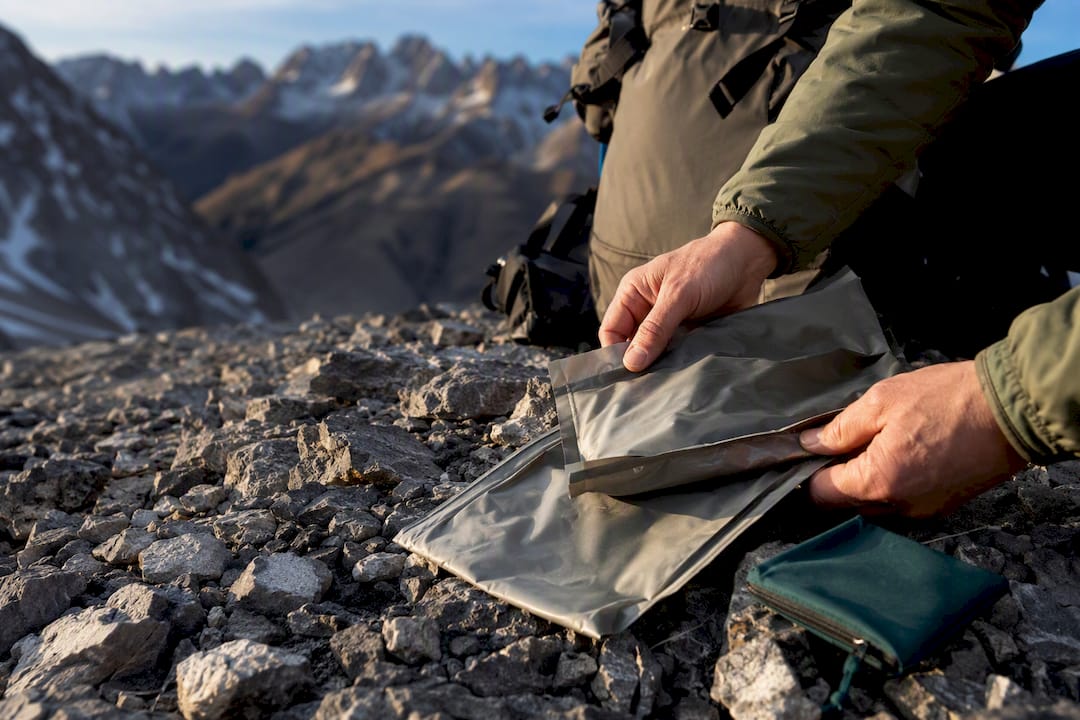
Use a WAG bag whenever you can’t safely bury waste: alpine terrain, desert slickrock, riverbanks, frozen ground, or any high-use trail corridor. Carry at least one kit per person each day. The gelling agent inside solidifies waste and neutralizes odor, making it landfill safe once sealed. The rest of this guide covers exactly how to use one, store it, and avoid the mistakes that trip up first-timers.
TL;DR:
WAG bags are required or strongly recommended in environments with thin soil, exposed rock, frozen ground, or high-use trails to prevent long-term waste buildup.
Proper sealing and storage of sealed WAG bags in designated, odor-proof containers are essential for safety, wildlife prevention, and compliance with land management rules.
Practice the fold-and-seal technique at home before your trip to ensure a smooth, leak-free process in the field, especially in challenging conditions.
Carry at least one WAG kit per person per day, with additional kits on demanding days or longer trips, and always dispose of sealed waste in designated trash receptacles.
Confirm specific area regulations prior to your trip, as rules on waste disposal and WAG bag use vary by park, land agency, and season.
Table of Contents
Which Environments and Permit Zones Require Wag Bag Use
Not every backcountry trip needs a WAG bag. A forested trail with six inches of dark topsoil is a fine candidate for a traditional cathole. The problem is that most of the terrain hikers actually chase these days doesn’t offer that luxury.
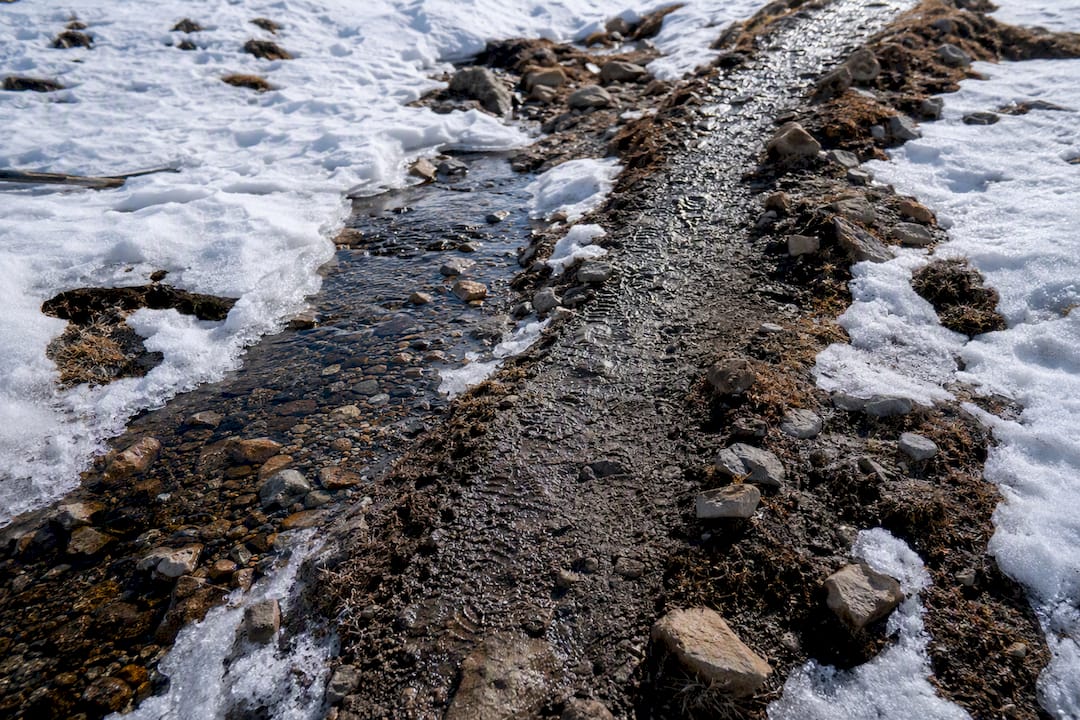
Thin soil, exposed rock, and permafrost mean there’s no microbial layer to break waste down. Bury it in these conditions and it just sits there, intact, for a long time. That’s the entire reason land managers started pushing WAG bags in the first place.
Terrain and conditions where WAG bags are required or strongly recommended:
Alpine zones above treeline, where soil is thin or nonexistent
Desert environments with slickrock, sand, or minimal organic matter
Frozen or snow-covered ground, where digging deeply is impossible
River corridors and canyon routes, where runoff can carry waste into the water
High-use trails and popular peaks where cathole density would overwhelm the land
Mount Whitney is the textbook case. So is Denali’s high camp above 14,000 feet. Both require pack-out systems, not because rangers are being strict for the sake of it, but because thousands of people using the same route would otherwise turn the area into an open sewer within a season. Colorado River permit trips through the Grand Canyon run on the same logic, and several slot canyons across the Southwest have adopted similar rules as visitation climbs.
Before you go, check the specific rules for your destination. The National Park Service publishes backcountry regulations by park, and Zion’s page is a good model for how detailed these can get, right down to zone-specific sanitation requirements. The U.S. Forest Service and BLM recreation pages cover national forest and public land, and permit offices for popular routes will often flag WAG bag requirements directly on the permit itself. Some trailheads go a step further. Utah’s Jacob’s Ladder trailhead has a WAG bag kiosk right at the parking area, so you can grab a kit even if you forgot to pack one.
The old 200-foot rule still applies as a baseline. Leave No Trace guidance calls for catholes at a safe distance from water, trails, and campsites, dug to a moderate depth in a spot with organic soil. If you can meet those conditions and you’re not in a designated pack-out zone, a cathole is still the appropriate method. The mistake people make is assuming the rule applies everywhere, when in reality the terrain itself often makes that method impossible or illegal.
Seasonal timing matters too. Snowmelt season pushes a lot of hikers onto trails before the ground has thawed or dried out, which is exactly when catholes fail hardest and WAG bag requirements get enforced most closely. If you’re planning an early-season trip, confirm the current rules rather than assuming last year’s permit conditions still apply.
How Do You Use a WAG Bag Step by Step?
The mechanics aren’t complicated, but doing it smoothly the first time takes a little forethought. Fumbling with a kit in the dark, in the rain, twenty feet off trail, is not the moment to be reading instructions for the first time.
1. Prepare before you need it
Pick your spot with the same privacy and distance standards you’d use for a cathole. Get at least 200 feet from water sources, trails, and campsites. Have your kit fully assembled and within reach before you start, meaning the outer bag opened and staged, the inner bag ready to unfold, and toilet paper or wipes accessible. Digging through a pack one-handed mid-process is how bags get dropped or contaminated.
2. Set up your station
Most WAG bag kits include either a simple inner bag that you hold open by hand or a bag paired with a portable frame or box that stabilizes it for you. If you’re using a frame system, set it on level ground and confirm it’s stable before committing. If you’re going bare-bag, practice the fold and hold motion at home first. It sounds silly, but a dry run in your bathroom beats a wobbly attempt on a scree slope.
For squatting, find something to brace against if the terrain allows it. A rock, a tree, a trekking pole planted firmly. Balance is the number one failure point for first-timers, not the waste bag itself.
3. Use the kit
Do your business into the inner bag. Any toilet paper goes into the same inner bag, not buried separately and not into a different pocket. Most kits include a wipe or two for cleanup, and those go in the bag as well. Nothing organic gets left behind or buried on the side.
4. Seal it properly
Push out as much excess air as you can, then close the inner bag using its built-in seal or tie. Place the sealed inner bag into the outer bag, and seal that one fully too. Most WAG bag systems, including Cleanwaste’s double-bag design, are built for exactly this two-layer approach. Skipping the outer seal or leaving air trapped inside is the single most common reason bags leak or smell later.
5. Store it for the rest of your trip
Once sealed, the bag goes into a designated waste pocket, not lose in your main pack compartment. More on storage logistics in the next section, since multi-day trips need a slightly different approach than a day hike.
6. Dispose of it correctly
This is where people get it wrong most often. Sealed WAG bags go into regular trash receptacles at trailheads, campgrounds, or ranger stations. They are landfill-safe by design once sealed. Never burn a WAG bag and never bury it. Burning releases the gelling compound and waste into smoke and ash, which defeats the entire purpose, and burying it just recreates the exact problem the bag was meant to solve.
Pro Tip: Practice the fold-and-seal motion at home with an empty kit before your trip. It takes thirty seconds and it’s the difference between a smooth field experience and standing in the cold trying to figure out which flap closes first.
How to Pack and Transport Sealed Wag Bags Safely
A sealed WAG bag isn’t a problem until you start treating it like an afterthought. Toss it loose into your pack and you’re one torn seam away from a genuinely bad day.
Set aside a dedicated waste pocket before you leave home. A lot of hikers use a spare stuff sack, a dry bag, or even a hard-sided container reserved only for this purpose. Keep it as far from your food bag and sleeping gear as your pack layout allows. Cross-contamination risk is low with a properly sealed bag, but there’s no reason to test that.
Storage and transport practices worth adopting:
Double-bag sealed WAG bags in an opaque zip-top bag or a dedicated smell-proof pouch for trips longer than a day
Reserve one external pocket or strap point solely for waste storage, separate from anything you eat or sleep in
On group trips, designate a single carrier or rotate the responsibility, rather than letting sealed bags scatter across multiple packs
In bear country, treat sealed waste the same way you’d treat scented trash: store it according to local wildlife storage rules, which often means a bear canister or hang, even though the gelling agent significantly reduces odor
Check your bags at the end of each day for any sign of a compromised seal before adding a new one to the stack
Group logistics deserve a little planning of their own. On a four-person, three-day trip, that’s potentially twelve sealed bags by the time you reach the trailhead. Some groups split the load evenly across packs. Others designate one person as the carrier for the whole trip and rotate that job on the next outing. Either way, decide before you leave, not on day two when nobody wants to volunteer.
Landfill disposal is the correct end point for every sealed bag, and it’s worth understanding why. The gelling polymer inside most WAG bags is designed to break down safely in a managed landfill environment, not in open ground and not in fire. Burning a bag introduces waste particulate into smoke, which is worse for air quality and for anyone downwind than simply carrying it out. Burying defeats the purpose entirely, since you’re back to the same decomposition problem that made the WAG bag necessary in the first place.
Pro Tip: If you’re on a multi-day trip in bear country, store your sealed waste bags exactly where you’d store your food and toiletries, not just tossed in a side pocket. The odor reduction from the gelling agent is real, but it isn’t zero, and a curious animal doesn’t need much of a signal to investigate.
What to Pack: Supplies Checklist and How Many Bags You Need
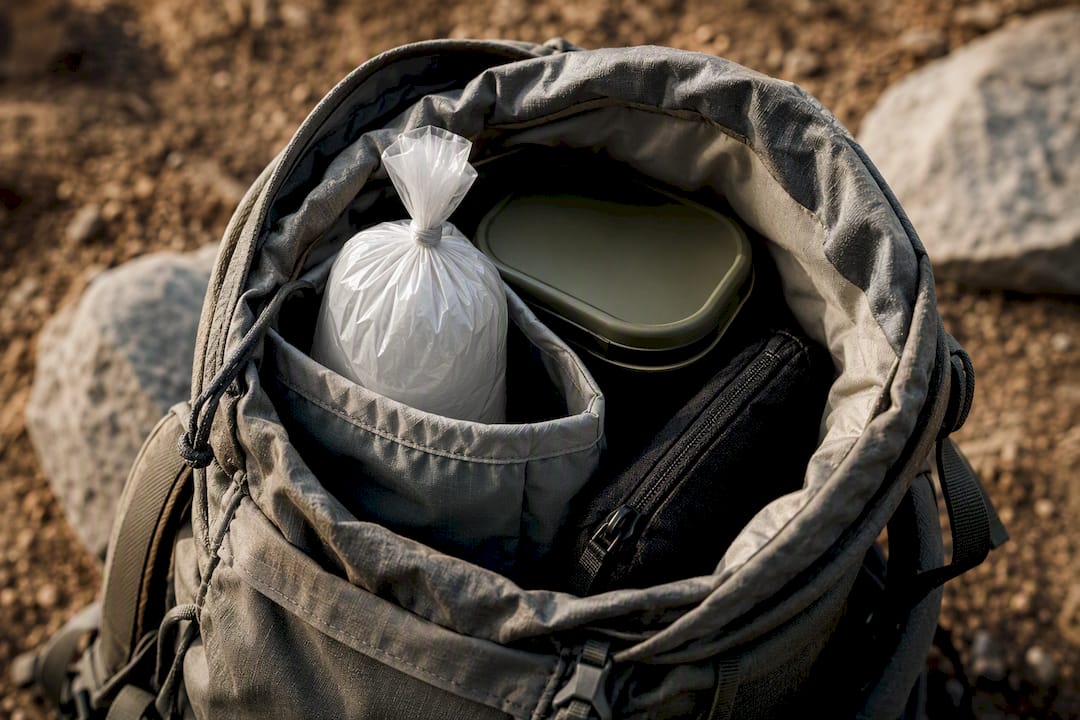
A standard WAG kit includes an inner bag with a powdered gelling agent, an outer disposal bag for sealing everything shut, a small supply of toilet paper, and usually a hand wipe or sanitizing towelette. Some kits bundle these into a single pouch. Others sell components separately, so check what you’re buying before you assume it’s complete.
What a typical WAG kit contains:
Inner bag pre-loaded with gelling powder
Outer, fully sealable disposal bag
Toilet paper (often a small allotment, so pack extra separately)
Hand wipe or sanitizing towelette
Sometimes a zip-tie or twist closure for the inner bag
The planning rule is simple: one kit per person, per day, at minimum. If you’re on a heavy-exertion trip, a multi-day river run, or traveling with a group where digestive schedules are unpredictable, plan for two kits per person on your longest days. Nobody wants to be the person who runs short on day three of a five-day trip.
Weight and packability are generally minimal. A single WAG kit is lightweight and compresses down to a small, convenient size. Most manufacturers, including Cleanwaste, sell multipacks specifically for multi-day trips, and buying in bulk before a longer trip is almost always cheaper per-use than grabbing single kits at an outfitter. Pack a couple extra beyond your calculated need. Digestive surprises happen, and running out mid-trip with no backup plan is a genuinely miserable scenario.
Hygiene, Wildlife, and Leave No Trace Alignment
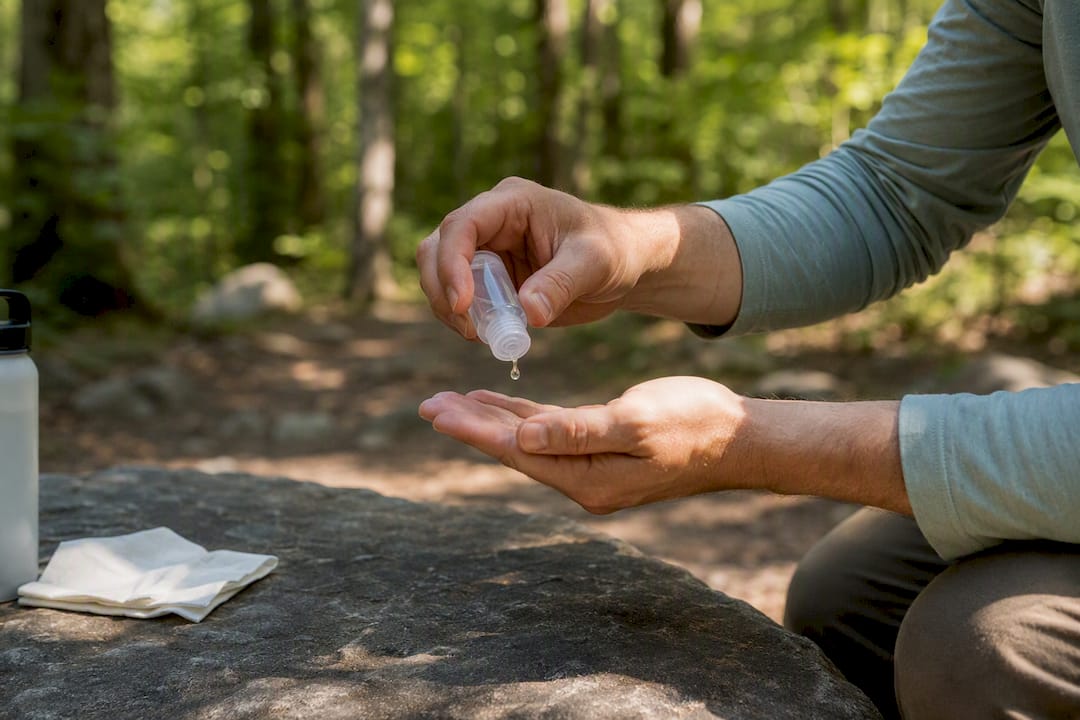
The gelling agent does real work here. On contact, it binds solid waste and converts liquid waste into a stable gel, which cuts down on both odor and the spread of pathogens compared to loose waste sitting in a shallow hole. That doesn’t mean you can skip hand hygiene. Always clean your hands afterward, whether that’s hand sanitizer, a wipe, or both.
One detail trips up a lot of first-time users: used toilet paper goes into the WAG bag, not buried separately. This surprises people who grew up with cathole etiquette, where TP sometimes got buried alongside waste or packed out in a separate zip bag. With a WAG bag system, everything organic goes into the same sealed unit. Keeping TP out of the bag and burying it instead defeats the sanitation purpose and can still leave paper exposed if an animal digs.
Hygiene and safety practices to lock in before your trip:
Sanitize or wash hands immediately after sealing your kit, every time, no exceptions
Keep a small dedicated hand sanitizer in your first aid kit rather than digging through your main pack
Store sealed waste according to local wildlife guidelines, particularly in bear country, even though odor is reduced
Never assume a “low odor” claim means zero attraction risk for wildlife
Leave No Trace built its entire waste guidance around one core question: can this environment safely break the waste down on its own? Where the answer is no, WAG bags become the recommended solution, not a fallback for people who couldn’t be bothered to dig. That framing matters. It’s the same principle behind LNT’s seven core principles, and it’s why permit offices increasingly treat WAG bag compliance as a condition of access rather than a suggestion.
Common Wag Bag Problems and How to Fix Them
Most WAG bag frustrations trace back to a handful of predictable issues, and nearly all of them have simple fixes if you know what’s coming.
Capacity per bag. Gear reviewers testing multiple brands found that a typical inner bag handles roughly three to four solid uses before it’s genuinely full, though that number shifts depending on stool consistency and the specific bag design. Don’t try to squeeze a fifth use out of a bag that’s already near capacity. Start a fresh kit instead.
Cold weather performance. Manufacturer guidance from brands like Cleanwaste indicates the gelling powder still functions in low temperatures, but seams and closures can get brittle or stiff when a sealed bag freezes solid overnight. Store bags somewhere they won’t freeze completely if you can manage it, closer to your body heat in a pack pocket rather than strapped to the outside in subzero conditions.
Punctures and leaks. If you notice a compromised seal or a small tear, double-bag it immediately using a spare trash bag or zip-top bag from your kit. This is exactly why carrying one or two extra plastic bags beyond your WAG kits is smart insurance, not overpacking.
Odor control versus proper sealing. A common misconception is that heavily scented WAG products or extra baking soda solve odor problems. They mask smell temporarily. The actual fix is removing excess air before sealing and confirming both the inner and outer bag closures are fully engaged. A properly sealed bag with no fragrance additive will outperform a poorly sealed one with every scent trick in the book.
Quick troubleshooting checklist:
Bag feels full after 3 to 4 uses: swap to a new kit rather than overloading
Seams feel stiff or frozen: store closer to body heat, not on an exterior pocket overnight
Seal looks compromised: double-bag immediately with a spare plastic bag
Bag smells despite sealing: recheck that both inner and outer seals are fully closed before blaming the product
Field-Ready Checklist for First-Time Users
Before your next multi-day trip, run through this short list: confirm land-manager rules for your destination, pack one WAG kit per person per day (two on demanding days), stage your kit and hand sanitizer together, and practice the fold-and-seal motion at home at least once.
This guide is built around the same field-tested logic that shows up across Leave No Trace guidance and manufacturer instructions: preparation beats improvisation every time. A five-minute practice run in your backyard costs nothing and saves you from fumbling with an unfamiliar kit at 6,000 feet in the dark. Do it once before your first real trip, and the entire process becomes second nature by trip two.
Why Most Wag Bag Advice Misses the Point
Most guides treat WAG bags like a gross inconvenience you tolerate for the sake of the rules. That framing is backwards. The gelling technology inside these kits solves a genuinely hard problem: waste that won’t decompose in thin alpine soil or frozen ground has nowhere else to go except into the water table or onto the next hiker’s boots.
The conventional advice also overweights the “how to use it” mechanics and underweights logistics. Anyone can learn to seal a bag in thirty seconds. Fewer people plan for where twelve sealed bags go on a four-day group trip, or how a frozen seam behaves at altitude. That’s where trips actually go wrong.
Prioritize the boring stuff first: confirm the rules for your destination, calculate your bag count honestly, and practice the motion at home. The field technique matters, but it’s the last five percent of the problem, not the first.
— S
Ready for Your Next Backcountry Trip?
Getting the gear right is half the battle. The other half is knowing what else belongs in your pack before you hit a permit-required trail, from wildlife storage strategy to what actually needs to be in your first-aid kit when you’re two days from the nearest trailhead.
A trip-prep library covers the ground this guide didn’t have room for: how to build a smart campsite layout that keeps waste storage away from your sleeping area, what the seven Leave No Trace principles mean in practice beyond just bathroom etiquette, and how to handle wildlife encounters when carrying scented items in bear country. Browse the full trip-planning resource hub for guides built in a similar field-first, checklist-driven style, written for people who actually use this gear on real trips. Start there before your next multi-day outing and build your kit list around what your specific route requires.
Sources
Before any trip that might require pack-out waste systems, confirm the rules directly. Leave No Trace maintains an official WAG bag guidance page covering the reasoning and proper use. For area-specific rules, check your destination’s NPS or USFS page directly, such as Zion’s backcountry regulations or the Inyo National Forest hiking information page for Mount Whitney-area trips. For product-specific guidance, including cold-weather handling, Cleanwaste’s manufacturer blog covers usage details worth reading before your first trip.
FAQ
What Is the Purpose of a WAG Bag?
A WAG bag lets you pack out human waste from environments where burying it isn’t possible or allowed, using a gelling agent that solidifies waste and cuts odor so it can be safely disposed of in regular trash once sealed.
How Many Times Can You Use One WAG Bag?
Most inner bags handle roughly three to four solid uses before reaching capacity, though the exact number depends on the specific product and stool consistency. Start a fresh kit once a bag feels full rather than pushing past that point.
Can You Put Toilet Paper in a WAG Bag?
Yes, and you should. Used toilet paper goes directly into the inner bag along with solid waste rather than being buried or packed separately, since the sealed system is designed to contain everything organic together.
Are WAG Bags Sanitary?
They’re designed to be. The gelling agent binds waste and reduces pathogen spread and odor on contact, but proper sealing and hand sanitizing after use are still essential steps, not optional extras.
How Many WAG Bags Should I Pack for a Multi-Day Trip?
Plan for one kit per person per day as a baseline, and pack two per person on high-exertion days or river trips where schedules are less predictable. Always bring a couple of extra kits beyond your calculated need.
Recommended
Comments